


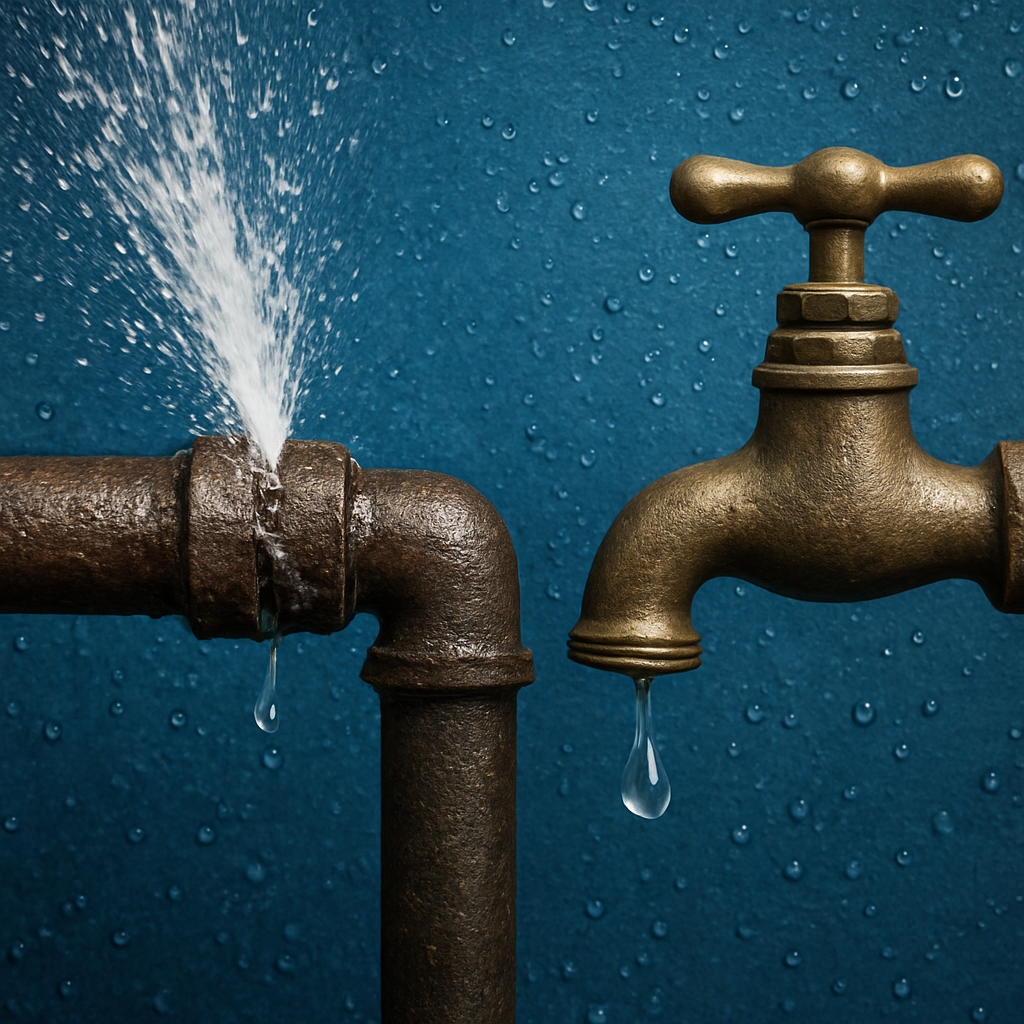
Pipe Burst? Dripping Faucet? Here’s What Lehigh Valley Homeowners Should Do Before the Plumber Arrives
Pipe bursts or dripping faucets in the Lehigh Valley aren’t just leaks—they’re moments that demand rapid, practical action. This guide gives Lehigh Valley homeowners a concise pre-plumber plan—from safety steps to what to tell a local plumber about plumbing repair near me—so you can move quickly and clearly. You’ll learn how to distinguish urgent from non-urgent issues, reduce damage before a pro arrives, and set realistic expectations for timing and cost from a trusted local plumbing service.
1. Immediate Safety First: Shut Off Water and Minimize Damage
Immediate action minimizes damage. In Lehigh Valley homes, the fastest route to containment is clear: decide quickly whether you’re dealing with a burst pipe or a dripping fixture, then shut water off at the source and prevent secondary damage. This isn't about perfect repairs; it's about buying time for the plumber to arrive with the right parts. Safety comes first: if water is near electrical outlets or appliances, cut power to the affected area at the main panel before you touch anything, and avoid wading through pooled water. For a quick refresher on shutoffs, see This Old House turn off water supply.
- 1. Confirm the issue type and urgency. Distinguish between a burst pipe and a fixture leak to prioritize actions and which valves to hit first.
- 2. Locate and shut off the main water valve. If it’s reachable in seconds, cut the whole house off; if not, close the nearest fixture valve to slow the flood while you call for help.
- 3. Close affected fixtures. Shut valves for sinks, toilets, or appliances in the affected area to stop ongoing flow.
- 4. Kill power where water is present. If there’s standing water near outlets or appliances, turn off electricity to the area at the panel and unplug devices if safe to do so.
- 5. Move valuables and manage the water. Relocate items out of the splash zone and place towels, a mop, or a basin to catch drips.
- 6. Document everything. Note the time, initial observations, and visible damage to accelerate the plumber’s assessment and any insurance claims.
- 7. Call a local emergency plumber. Have your address, a concise description of the issue, and access details ready for a rapid response.
Real-world example: a Lehigh Valley homeowner heard a loud bang from a cabinet and saw water dripping down the wall. They located the basement main shutoff, cut the water, and used towels to contain the spread while the 24/7 plumber was en route. Water damage was contained to the kitchen area, and the plumber arrived with the right fittings for a temporary containment and a plan for permanent repair.
Trade-offs and practical limits matter here. If you can reach the main shutoff within seconds, shut it off to stop all flow, including hot water and the washer. If the main valve is hard to reach, starting with fixture valves buys you time but won’t stop water from circulating through the rest of the system. In either case, avoid introducing electricity into flooded zones and keep kids and pets away from the area.
Takeaway: map and label your shutoffs, keep emergency numbers handy, and rehearse these steps with everyone in the household so containment becomes second nature when a leak hits.
2. Identify the Issue Type and Location
In Lehigh Valley homes, the first distinction you must make is the issue type—burst pipe, a leaking supply line, or fixture overflow. Each pattern drives different urgent actions and shapes how quickly a plumber can help. For quick access to vetted local options, many homeowners rely on a nearby service plumbing repair near me.
Start by surveying the scene: where is the water coming from, how is it behaving, and what areas are affected? Note any hissing, banging, or pounding sounds, which often signal a pipe issue behind walls, and watch for changes in water pressure between fixtures.
- Pipe burst: Sudden, high-volume water flow with visible rupture, spraying or pouring from a joint or wall; often accompanied by rapidly rising moisture on nearby surfaces.
- Supply line leak: Slow to moderate dripping from a copper or PEX line, usually under sinks or behind appliances, with damp cabinets or ceilings that aren’t exploding with water.
- Faucet overflow or fixture leak: Water escaping at the fixture itself, such as a running toilet or a leaking faucet handle, often with surrounding water pooling on the sink or tub deck.
Location matters. A burst or leak upstairs can threaten ceilings and insulation, while a basement drip may indicate a main line issue that calls for immediate main shutoff before more damage spreads.
Take clear photos of visible damage and the exact source area. Visual records help insurance claims and speed scheduling with a local plumber who can respond quickly as a plumbing repair near me service.
Consider whether heat or freezing could have contributed. In the Lehigh Valley, frozen pipes spike in winter; a latent crack might not be obvious until you thaw and pressure rises. If outdoor temperatures plummet, treat any suspected frozen sections as an emergency.
Prepare questions to ask the plumber about likely causes and costs so you can compare quotes later and avoid surprises once a technician arrives.
- What caused the issue and whether it’s a repair or replacement scenario.
- Estimated time to fix and any temporary containment options.
- Pricing structure for parts and labor, including travel fees.
- What to expect next after the first visit.
Concrete Example: In a Bethlehem duplex, a visible wet spot under a second-floor bathroom cabinet appears after a night of rapid temperature swings. The leak slows to a trickle when the cabinet valve is closed, but water continues to pool on the cabinet shelf. You document the spot, note the time, and prepare to call a local plumber who offers 24/7 emergency plumbing.
3. How to Shut Off Water Correctly: Main Valve and Fixture Valves
In a leak or burst, the fastest path to safety is cutting the water off where it matters most. For Lehigh Valley homes, you gain real minutes if you know where the main shutoff lives and how to operate fixture valves without fumbling. For practical guidance tailored to this region, see emergency plumbing guidance.
- Main shutoff location awareness: Identify the main shutoff in advance; common spots in basements, garages, or utility rooms near the water meter.
- Operate the main valve correctly: Turn the main valve clockwise to close. If it’s a ball valve, a single quarter-turn does it; if it’s a gate valve, expect multiple full turns.
- When the main won’t move or is hard to reach: If the valve is stubborn or inaccessible, stop and use fixture valves to limit damage instead; do not force a stubborn valve.
- Verify after closing: Open a nearby faucet on the same line to confirm no flow, then proceed with cleanup when you’re sure the water is off.
- Sinks: under-sink angle stops on hot and cold lines; rotate clockwise until snug. If two valves are present, close both.
- Toilets: shutoff valve behind the toilet tank; clockwise until tight. If it leaks or won’t close, move to the main shutoff or call promptly.
- Appliances: washing machine and dishwasher supply valves at the rear or under the cabinet; close both to stop water to those appliances.
- Multi‑fixture floods: prioritize closures in the most affected area and keep essential fixtures isolated; every minute saved matters.
Electrical hazards are real. Do not touch outlets or breakers with wet hands. If water covers a panel or outlet, move to a dry location and turn off power at the main breaker from a dry spot. This section aligns with local practices and is worth reviewing in advance.
With the water off, test nearby fixtures for any signs of flow, check for dripping pipes, and dry the area to prevent mold. Document damage as you go for claims, and keep a running note of times and valve positions.
Example: A burst under the kitchen sink in a Lehigh Valley home forced a quick sprint to the basement to locate the main shutoff. The homeowner closed the main, then shut the under-sink valve to stop water to the dishwasher while the plumber arrived within an hour. The rapid action kept cabinets from soaking and reduced mold risk.
Takeaway: map and label shutoff locations now and rehearse the steps with your household so you can act without hesitation when the next leak hits.
4. Protective Steps While Waiting for the Plumber
In the Lehigh Valley, leaks escalate fast. Protective steps must be fast, precise, and focused on Containment, Safety, and getting the plumber on site ready to work.
- Step 1: Limit further damage: Do not run water in the affected area. If safe, remove standing water with towels or a mop and keep doors closed to slow spread.
- Step 2: Protect electrical hazards: If water is near outlets or electronics, unplug devices at the wall from a dry area, avoid touching outlets with wet hands, and keep kids and pets away.
- Step 3: Document damage: Take photos from multiple angles, note the time of discovery, and log which fixtures are involved. This speeds up insurance claims and scheduling with a local plumber.
- Step 4: Prepare access for the plumber: Clear a path to the affected area, locate the nearest shutoffs, and have any access codes ready if needed.
- Step 5: Plan for aftercare: When the plumber arrives, have questions ready about containment options, warranty, and next steps for drying and preventing mold.
Example: A cold winter evening in Allentown, a burst pipe under the kitchen sink floods the cabinet. The homeowner quickly uses the closest shutoff, towels the floor, and snaps photos for insurance before calling a 24-hour plumber. The plumber arrives in about 40 minutes, containment is established, and they outline the permanent fixes and next steps.
A practical trade-off often shows up in the timing of shutting off water. If you can locate and operate the main valve quickly, you dramatically reduce damage and waste; if not, relying on fixture valves can buy time but may not stop all flow. The key is to move fast with the valves you can reach safely, then let the plumber take over once on site.
Takeaway: have a prepared, local emergency plumbing contact and a quick-action plan ready before a leak hits. This is a practical way to support the idea of plumbing repair near me becoming a fast, local response rather than a panicked search.
5. What Lehigh Valley Plumbing Experts Will Do When They Arrive
When the crew arrives, expect a rapid on-site assessment that confirms the exact issue and checks safety before touching pipes. They’ll verify access to the scene, identify immediate hazards (standing water, energized outlets), and map the quickest path to stop further damage. This early triage matters: a misdiagnosis on arrival can turn a minor drip into a flooding incident in minutes.
Containment comes first. The technician will implement immediate measures to limit damage, such as laying towels and containers, creating a dry work zone, and isolating the affected area so water doesn’t bleed into the rest of the home. In a recent Lehigh Valley call, a burst line in a laundry room was contained quickly with a temporary patch and containment barrier to prevent further flow while coordinating a permanent repair.
They’ll present a transparent plan for permanent fixes and a written estimate that breaks out parts, labor, and any permitting needs. You’ll see credentials up front, including a licensed and insured status, and a warranty on replacement components. Expect a clear scope of work and a realistic timeline, not vague assurances. For assurance of local credibility, you can review our local plumbing expertise at Why Lehigh Valley Plumbing Experts Are the Best Choice for Your Home.
Beyond the fix, they’ll discuss preventive steps and maintenance checks to reduce repeats, such as post-repair pressure testing, checking appliance supply lines, and scheduling a follow-up inspection to confirm everything remains leak-free after the permanent work.
Concrete Example: A burst kitchen supply line in a two-story Allentown home triggered water in the family room. The arriving plumber did a rapid assessment, contained the leak within 12 minutes, and outlined a two-part plan: a temporary stop-gap tonight and a full pipe replacement scheduled for the next morning. The written estimate and warranty terms helped the homeowner approve promptly.
Next steps: lock in a preferred local plumber for after-hours emergencies and align on a short post-repair inspection window (48–72 hours) to confirm stability and avoid repeat incidents.
6. Preventing Future Incidents: Maintenance and Quick Fixes
Prevention is the smart part of plumbing—seasonal prep and routine checks dramatically lower the odds of another burst or leak. You don’t have to chase every drip, but you do need a simple cadence: a couple of focused tasks, a quick monthly check, and a scheduled pro visit before the season changes.
Seasonal prevention tips for Lehigh Valley homes
- Insulate exposed pipes in garages, crawl spaces, and basements and consider heat tape on vulnerable runs to slow freezing.
- Winterize outdoor spigots and irrigation lines; disconnect hoses and drain residual water to prevent burst lines.
- Schedule a documented annual flushing of the water heater and inspection of the temperature and pressure valve (T&P).
- Install a sump pump alarm and verify back-up power to guard against basement flooding during heavy storms or outages.
- Maintain a simple maintenance log noting dates of inspections, any slow leaks, and actions taken.
Seasonal prep doesn’t have to be elaborate. A modest investment in insulation and a basic heat-tape plan can save thousands in remediation after a cold snap. For local nuance, align these steps with a nearby provider so you’re not chasing parts mid-winter.
Routine faucet and valve maintenance
Faucet and valve upkeep stops leaks before they become floods. Replace worn washers, tighten fittings, and watch for mineral buildup that invites drips. Keep spare washers, O-rings, and a simple basin wrench handy. Concrete Example: In a Bethlehem home, a homeowner scheduled a routine valve inspection after a minor drip was noticed under a sink. The technician found a cracked valve stem, replaced it on the spot, and prevented a mid-winter leak that could have sidelined heating and hot water.
Water heater inspections and flushing
Annual checks extend water heater life. Flush sediments, test the expansion tank, and verify the temperature setting stays efficient. If the unit is more than 10–12 years old or shows signs of corrosion, plan a replacement before a leak forces it.
Simple checks between visits
Walk the home monthly for signs of moisture on ceilings and walls, inspect under sinks, and listen for damp carpet or musty smells that signal hidden leaks. Use a consumer-grade leak detector under sinks if you’re worried about wall cavities. Concrete Example: A quick monthly check in Easton caught a slow drip from a vanity supply line before it saturated the cabinet and spread to the floor, allowing a quick valve replacement and no damage beyond the cabinet.
Recognize early warning signs and plan proactively
Rising water bills, damp spots, or sounds of running water when fixtures are off are red flags. Put in place a proactive service cadence with a licensed plumber so you don’t chase emergencies when a cold front hits. For local guidance, see our guide to the best plumbers in the Lehigh Valley.
To keep things local and practical, book maintenance with a nearby provider who can work within your schedule and offer transparent pricing. For convenience, check out our guide to the best plumbers in the Lehigh Valley and plan with a trusted local team.
Finally, plan for a quick check between visits by noting the next seasonal window and aligning it with a local plumbing service, so you’re not scrambling when a cold snap returns.

Leave A Comment