


The Ultimate Guide to Furnace Repair and Seasonal Maintenance: Don’t Get Left in the Cold
As November brings crisp air and dropping temperatures, your home’s heating system acts as the most important appliance in your house. Whether you have a gas furnace, an electric unit, or a heat pump, the transition into peak heating season is the true test of your system’s condition.
Sadly, most homeowners wait until the first bitter cold night to discover their furnace is broken. By then, local HVAC technicians are booked out for days, and you are left paying expensive emergency repair rates. Fall is the ideal time to get your heating system ready for the cold months ahead. Catching small issues early prevents major repairs when temperatures plummet.
24hr Furnace Repair Pro in Easton Pennsylvania
In this helpful guide, we will highlight the most common furnace problems, walk you through a seasonal maintenance checklist, and explain exactly when you need to call a professional for furnace repair.
Top Reasons to Schedule Fall Furnace Maintenance
Routine HVAC maintenance in the fall is one of the smartest investments a homeowner can make. Preparing your system before winter hits provides several massive benefits:
- Decreased Utility Bills: A well-maintained furnace uses a lot less energy. In fact, duct leaks account for 20–30 percent of heating energy loss.
- Maximized System Lifespan: A furnace is a major mechanical investment. Routine maintenance and inspections reduce the wear and tear on critical components like the blower motor and heat exchanger, adding years to your system’s life.
- Cleaner Indoor Air: Winter means windows are closed and the same air is recirculated for months. Replacing your filters and cleaning your system ensures you aren’t breathing in months of accumulated dust, mold, and pet dander.
- Protecting Your Family: Gas furnaces involve controlled combustion. A professional inspection ensures that harmful byproducts like carbon monoxide are safely vented out of your home, keeping you safe.
The Top 7 Most Common Furnace Repairs (And What Causes Them)
If your furnace is acting up, you aren’t alone. HVAC technicians see the same recurring issues every single fall and winter. Here are the top seven most frequent furnace problems and how they are solved:
1. Clogged and Dirty Air Filters
Because they are hidden, many homeowners simply forget to change their system’s air filter on a regular basis. A dirty furnace filter is the leading cause of system failures. When air filters become clogged with contaminants, it significantly reduces airflow into the system. This restriction forces your furnace to work twice as hard to push air through the house, leading to system wear and tear, higher energy costs, and even a complete shutdown to prevent overheating.
- The Fix: Check your filter every month and replace it when it looks dirty, typically every 1-3 months. Homes with pets, allergy sufferers, or high dust levels often need more frequent changes.
2. Furnace Turning On and Off
Short cycling occurs when your furnace turns on and off too frequently without fully heating your home. This is a highly inefficient operating mode that causes severe strain on your system. Short cycling is typically caused by clogged air filters, malfunctioning thermostats, or having an oversized furnace that heats the space too quickly.
- The Solution: Start by checking the filter and replacing it if it is clogged. If that doesn’t solve the issue, an HVAC technician can diagnose if a safety switch is tripping or if the unit is improperly sized for your ductwork.
3. Thermostat Malfunctions
Sometimes the issue isn’t with the furnace itself, but the problem lies with the thermostat that’s controlling it. A faulty thermostat can make a perfectly healthy furnace perform poorly. Dirty sensors, loose wires, or dead batteries are all potential causes of a malfunctioning thermostat that can cause your furnace to work intermittently or not at all.
- How to Fix It: Make sure the thermostat is set to HEAT and increase the temperature a couple of degrees. If the screen is blank, replace the batteries. If discrepancies in your home’s temperature continue, upgrading to a smart thermostat can improve comfort and lead to significant energy savings.
24hr Furnace Repair Pro in Easton Pennsylvania 18042
4. Ignition Failures
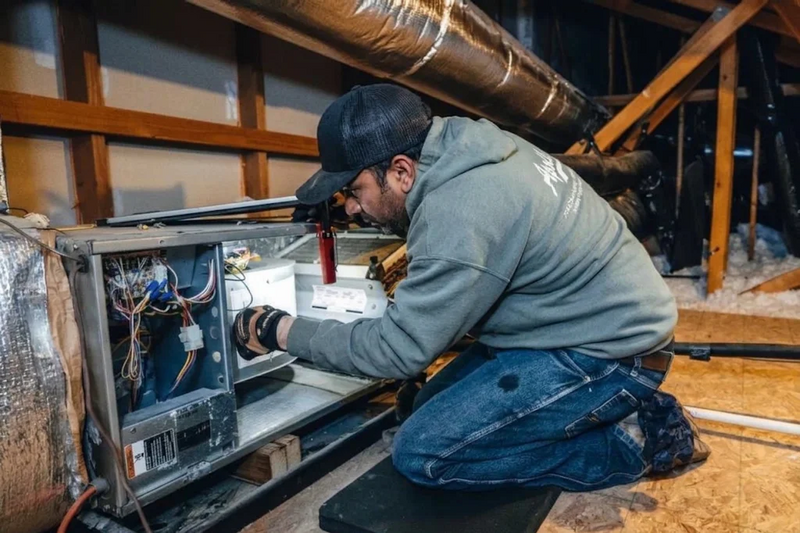
Older furnaces with a pilot light or newer models with an electrical ignition both rely on these components to start the heating cycle. If your furnace isn’t heating properly, one of these parts may be failing due to wear and tear, dirt buildup, a clogged gas line, or a dirty flame sensor. A dirty flame sensor will frequently cause the furnace to shut down entirely for safety reasons.
- The Solution: Because this involves gas lines and combustion, this requires a professional HVAC technician to safely clean the sensor or replace the ignition system.
5. Broken Heat Exchanger Risks
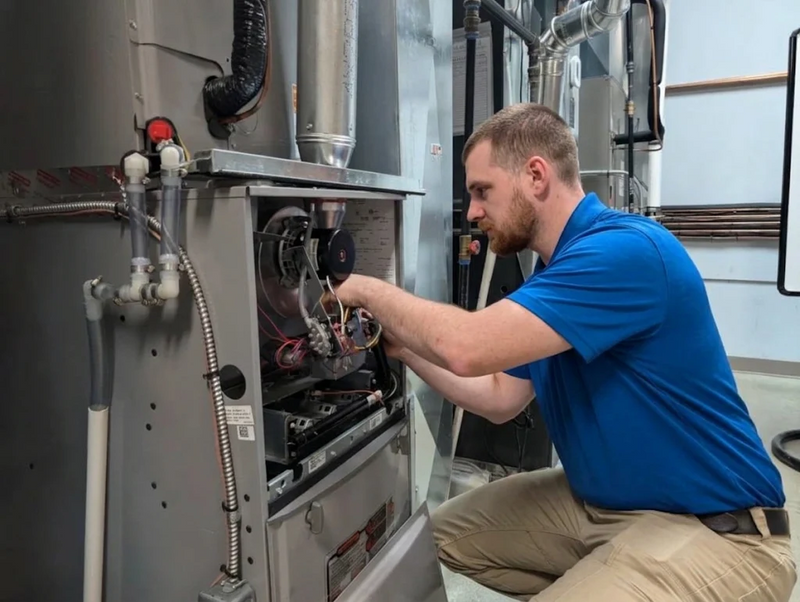
A cracked heat exchanger is one of the most serious furnace problems because it can leak carbon monoxide. This gas is colorless, odorless, and can be fatal if inhaled in high concentrations. Signs of a cracked furnace heat exchanger include a yellow or flickering pilot light, unusual smells, and soot around the furnace burners.
- The Solution: Turn off your furnace immediately and call a qualified HVAC professional. If the furnace is older, this repair is usually a sign that it is time to replace the entire unit for long-term efficiency and safety.
6. Fan and Motor Problems
The blower motor is the component responsible for pushing warm air into your home. When it fails, airflow may be weak or stop completely. Furnaces that are working properly are relatively quiet. If you hear strange noises such as rattling, banging, grinding, or squealing, a mechanical issue with the blower motor or a broken belt could be the culprit.
- The Solution: Leave loud furnace noises to a professional HVAC technician to prevent further damage to the motor or fan housing.
7. Blocked Vents and Leaky Ducts
Leaky ductwork allows warm air to escape before it reaches your rooms, while blocked vents restrict the flow of heat entirely. Both issues cause uneven heating, cold spots, and higher utility bills.
- The Solution: Inspect accessible ducts for gaps, disconnected sections, or damaged insulation. Ensure that vents are unobstructed by furniture, curtains, or rugs. Sealing and insulating ducts improve comfort and help every room heat more evenly.
DIY Furnace Maintenance Tips
Though you should always hire a pro for repairs, there are several steps you can take as a homeowner to prepare your HVAC system for winter. Follow this checklist every November to ensure maximum efficiency:
- Stock Up on Supplies: Purchase extra furnace filters to last through the heating season so you aren’t caught off guard.
- Clear the Surrounding Area: Clean around the furnace to remove any dust, dirt, or clutter. Your furnace needs proper airflow to operate safely and efficiently.
- Turn It On Before Winter: Turn on your heating system early in the season to ensure it’s operating properly. Listen for unusual noises and check for any unpleasant odors. Don’t wait for the first freezing night.
- Check Your Safety Alarms: Ensure your carbon monoxide detectors are functioning properly by replacing the batteries and testing the alarms. Replace any detectors that are older than seven years.
- Inspect the Pilot Flame: If you have a gas furnace, the flames should be blue and steady. Yellow or flickering flames may indicate a serious issue that requires professional attention.
- Seal Drafts: Check windows and doors for drafts and seal them with weatherstripping or caulk. Use heavy curtains to keep warm air inside during the night.
When to Hire an HVAC Pro
DIY maintenance goes a long way, but it is not a substitute for professional care. A basic furnace inspection or tune-up usually costs between $80 and $200, which includes checking vital components like the burner, blower motor, and thermostat.
During a professional tune-up, an HVAC expert will test for proper airflow, clean internal components, verify that the system is operating safely, and test the heat exchanger for structural integrity. Annual professional maintenance ensures your system operates efficiently and helps catch hidden damage early.
Common Questions About Heating Maintenance
How often should you replace your furnace filter? A good rule of thumb is to replace your furnace filter every 1-3 months. If you have pets, live in a dusty area, or suffer from allergies, you may need to replace it every 30 days.
Why is my furnace blowing cold air? If your furnace is blowing cold air, a dirty air filter or incorrect thermostat setting is often the cause. It can also happen if the ignition system has failed or if a safety switch has shut the heating burners down to prevent overheating.
What is the leading cause of furnace failure? The most common issue is a dirty furnace filter, which restricts airflow and causes the system to overheat and short cycle. Other highly frequent problems include thermostat malfunctions and ignition failures.
What fails first on a furnace? Filters, pilot lights, and thermostats are often the first parts to fail. Regular annual maintenance helps prevent early breakdowns of these key components.
For a 24hr Furnace Repair Pro in Easton 18042, you can count on Lehigh Valley Plumbing Experts. We’re available 24/7 for all your 24hr Furnace Repair Pro needs: (484) 222-4038

Leave A Comment