

The Complete Guide to Heating System Repair and Winter Prep: Don’t Get Left in the Cold
As November brings crisp air and dropping temperatures, your home’s heating system becomes the most critical equipment in your house. Whether you use a gas furnace, an electric unit, or a heat pump, the transition into freezing weather is the true test of your system’s health.
Often, countless homeowners wait until the first chilly night to discover their furnace is broken. At that point, local HVAC technicians are booked out for days, and you are left paying high emergency repair rates. Fall is the ideal time to get your heating system ready for the upcoming winter. Resolving small issues early prevents larger, more expensive problems when temperatures plummet.
24hr Furnace Repair Pro in Hellertown Pennsylvania
In this detailed article, we will highlight the most common furnace problems, detail a seasonal maintenance checklist, and explain exactly when you need to call a professional for furnace repair.
Why You Need Seasonal Heating Maintenance
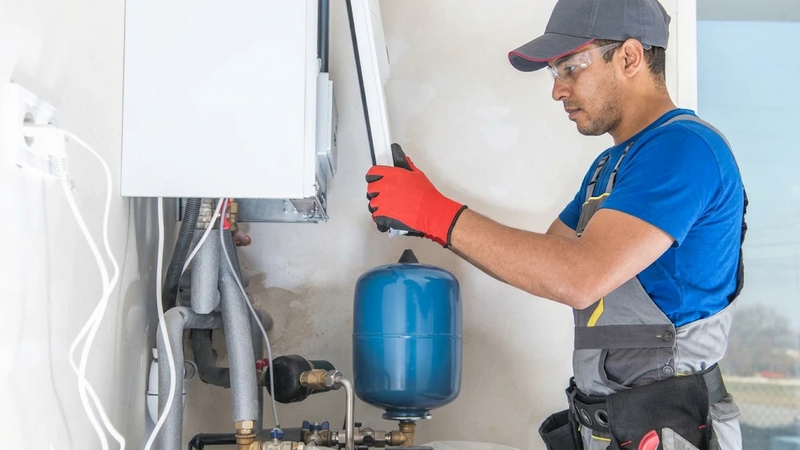
Professional HVAC maintenance in the fall is one of the smartest investments a homeowner can make. Preparing your system before winter hits provides several key advantages:
- Decreased Utility Bills: A well-maintained furnace uses a lot less energy. In fact, duct leaks account for 20–30 percent of heating energy loss.
- Longer Equipment Life: A furnace is a major mechanical investment. Routine maintenance and inspections reduce the wear and tear on critical components like the blower motor and heat exchanger, helping your system last longer.
- Improved Indoor Air Quality: Winter means windows are closed and the same air is recirculated for months. Replacing your filters and cleaning your system ensures you aren’t breathing in months of accumulated dust, mold, and pet dander.
- Home Safety: Gas furnaces involve controlled combustion. A professional inspection ensures that harmful byproducts like carbon monoxide are safely vented out of your home, preventing dangerous leaks.
The Top 7 Most Common Furnace Repairs (And What Causes Them)
Furnace problems are common during the winter months. HVAC technicians see the same recurring issues every single fall and winter. Here are the top seven most frequent furnace problems and how they are solved:
1. Blocked Air Filters
Out of sight and out of mind, many homeowners simply forget to change their system’s air filter on a regular basis. A dirty furnace filter is the number one cause of system failures. When air filters become clogged with contaminants, it significantly reduces airflow into the system. This restriction forces your furnace to work twice as hard to push air through the house, leading to mechanical stress, higher energy costs, and even a complete shutdown to prevent overheating.
- How to Fix It: Check your filter every month and replace it when it looks dirty, typically every 1-3 months. Homes with pets, allergy sufferers, or high dust levels often need more frequent changes.
2. Frequent Cycling
Short cycling occurs when your furnace turns on and off too frequently without fully heating your home. This is a highly inefficient operating mode that causes massive wear and tear on your system. Short cycling is typically caused by clogged air filters, malfunctioning thermostats, or having an oversized furnace that heats the space too quickly.
- The Solution: Start by checking the filter and replacing it if it is clogged. If that doesn’t solve the issue, an HVAC technician can diagnose if a safety switch is tripping or if the unit is improperly sized for your ductwork.
3. Broken Thermostats
Often, the furnace is fine, but the problem lies with the thermostat that’s controlling it. A faulty thermostat can make a perfectly healthy furnace perform poorly. Dirty sensors, loose wires, or dead batteries are all potential causes of a malfunctioning thermostat that can cause your furnace to work intermittently or not at all.
- How to Fix It: Make sure the thermostat is set to HEAT and increase the temperature a couple of degrees. If the screen is blank, replace the batteries. If discrepancies in your home’s temperature continue, upgrading to a smart thermostat can improve comfort and lead to significant energy savings.
24hr Furnace Repair Pro in Hellertown Pennsylvania 18055
4. Ignition Failures
Older furnaces with a pilot light or newer models with an electrical ignition both rely on these components to start the heating cycle. If your furnace isn’t heating properly, one of these parts may be failing due to wear and tear, dirt buildup, a clogged gas line, or a dirty flame sensor. A dirty flame sensor will frequently cause the furnace to shut down entirely for safety reasons.
- The Fix: Because this involves gas lines and combustion, this requires a professional HVAC technician to safely clean the sensor or replace the ignition system.
5. The Danger of a Cracked Heat Exchanger
A cracked heat exchanger is one of the most dangerous furnace problems because it can leak carbon monoxide. This gas is colorless, odorless, and can be fatal if inhaled in high concentrations. Signs of a cracked furnace heat exchanger include a yellow or flickering pilot light, unusual smells, and soot around the furnace burners.
- How to Fix It: Turn off your furnace immediately and call a qualified HVAC professional. If the furnace is older, this repair is usually a sign that it is time to replace the entire unit for long-term efficiency and safety.
6. Fan and Motor Problems
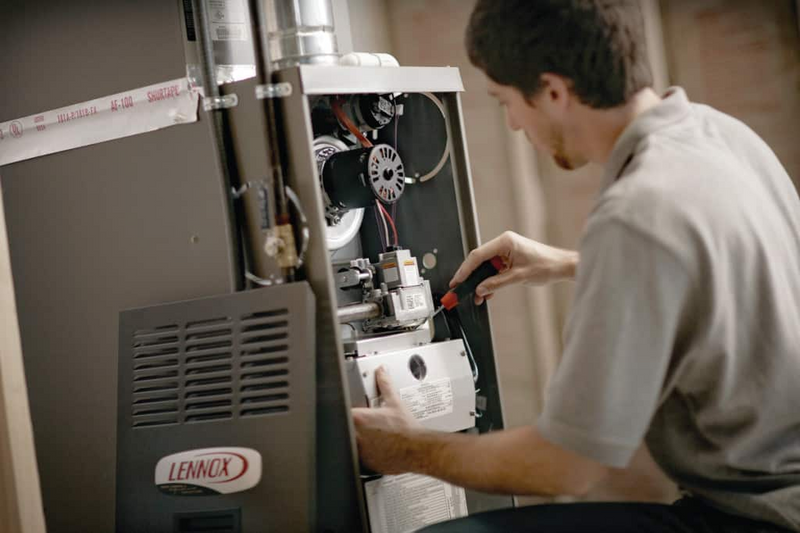
The blower motor is the component responsible for pushing warm air into your home. When it fails, airflow may be weak or stop completely. Furnaces that are working properly are relatively quiet. If you hear strange noises such as rattling, banging, grinding, or squealing, a mechanical issue with the blower motor or a broken belt could be the culprit.
- The Fix: Leave loud furnace noises to a professional HVAC technician to prevent further damage to the motor or fan housing.
7. Leaky Ductwork
Leaky ductwork allows warm air to escape before it reaches your rooms, while blocked vents restrict the flow of heat entirely. Both issues cause uneven heating, cold spots, and higher utility bills.
- How to Fix It: Inspect accessible ducts for gaps, disconnected sections, or damaged insulation. Ensure that vents are unobstructed by furniture, curtains, or rugs. Sealing and insulating ducts improve comfort and help every room heat more evenly.
Homeowner’s Winter HVAC Checklist
Though you should always hire a pro for repairs, there are several steps you can take as a homeowner to prepare your HVAC system for winter. Follow this checklist every November to ensure maximum efficiency:
- Buy Extra Filters: Purchase extra furnace filters to last through the heating season so you aren’t caught off guard.
- Clear the Surrounding Area: Clean around the furnace to remove any dust, dirt, or clutter. Your furnace needs proper airflow to operate safely and efficiently.
- Turn It On Before Winter: Turn on your heating system early in the season to ensure it’s operating properly. Listen for unusual noises and check for any unpleasant odors. Don’t wait for the first freezing night.
- Test Your Carbon Monoxide Detectors: Ensure your carbon monoxide detectors are functioning properly by replacing the batteries and testing the alarms. Replace any detectors that are older than seven years.
- Check the Burner Flames: If you have a gas furnace, the flames should be blue and steady. Yellow or flickering flames may indicate a serious issue that requires professional attention.
- Seal Drafts: Check windows and doors for drafts and seal them with weatherstripping or caulk. Use heavy curtains to keep warm air inside during the night.
When to Hire an HVAC Pro
DIY maintenance goes a long way, but it is not a substitute for professional care. A basic furnace inspection or tune-up usually costs between $80 and $200, which includes checking vital components like the burner, blower motor, and thermostat.
During a professional tune-up, an HVAC expert will test for proper airflow, clean internal components, verify that the system is operating safely, and test the heat exchanger for structural integrity. Annual professional maintenance ensures your system operates efficiently and helps catch hidden damage early.
Frequently Asked Questions (FAQs) About Furnace Repair
How often should you replace your furnace filter? A good rule of thumb is to replace your furnace filter every 1-3 months. If you have pets, live in a dusty area, or suffer from allergies, you may need to replace it every 30 days.
What causes a furnace to blow cold air? If your furnace is blowing cold air, a dirty air filter or incorrect thermostat setting is often the cause. It can also happen if the ignition system has failed or if a safety switch has shut the heating burners down to prevent overheating.
What is the most common furnace problem? The most common issue is a dirty furnace filter, which restricts airflow and causes the system to overheat and short cycle. Other highly frequent problems include thermostat malfunctions and ignition failures.
What fails first on a furnace? Filters, pilot lights, and thermostats are often the first parts to fail. Regular annual maintenance helps prevent early breakdowns of these key components.
For a 24hr Furnace Repair Pro in Hellertown 18055, you can count on Lehigh Valley Plumbing Experts. We’re available 24/7 for all your 24hr Furnace Repair Pro needs: (484) 222-4038

Leave A Comment